 / THE SIFNOS PROJECT
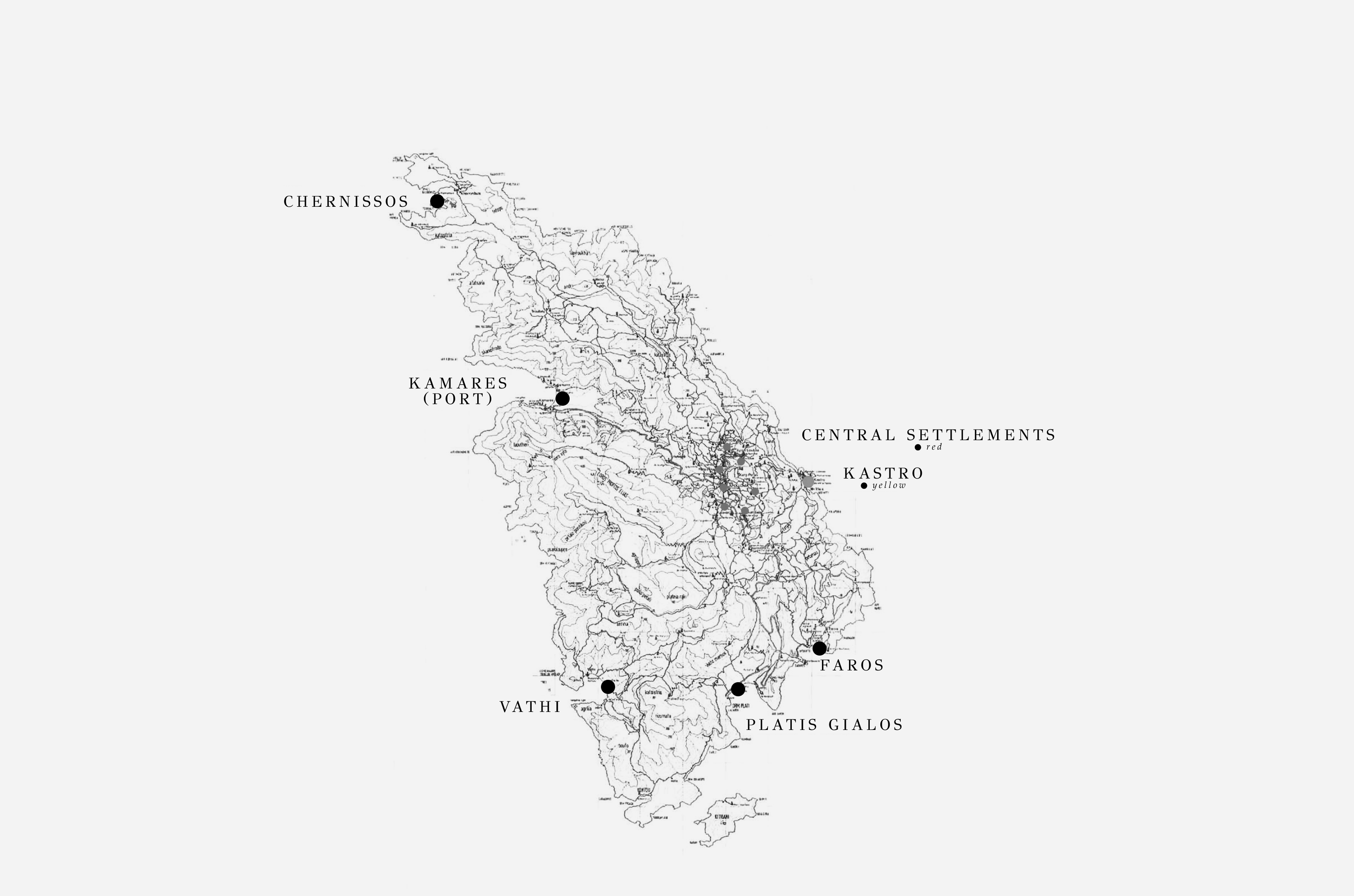
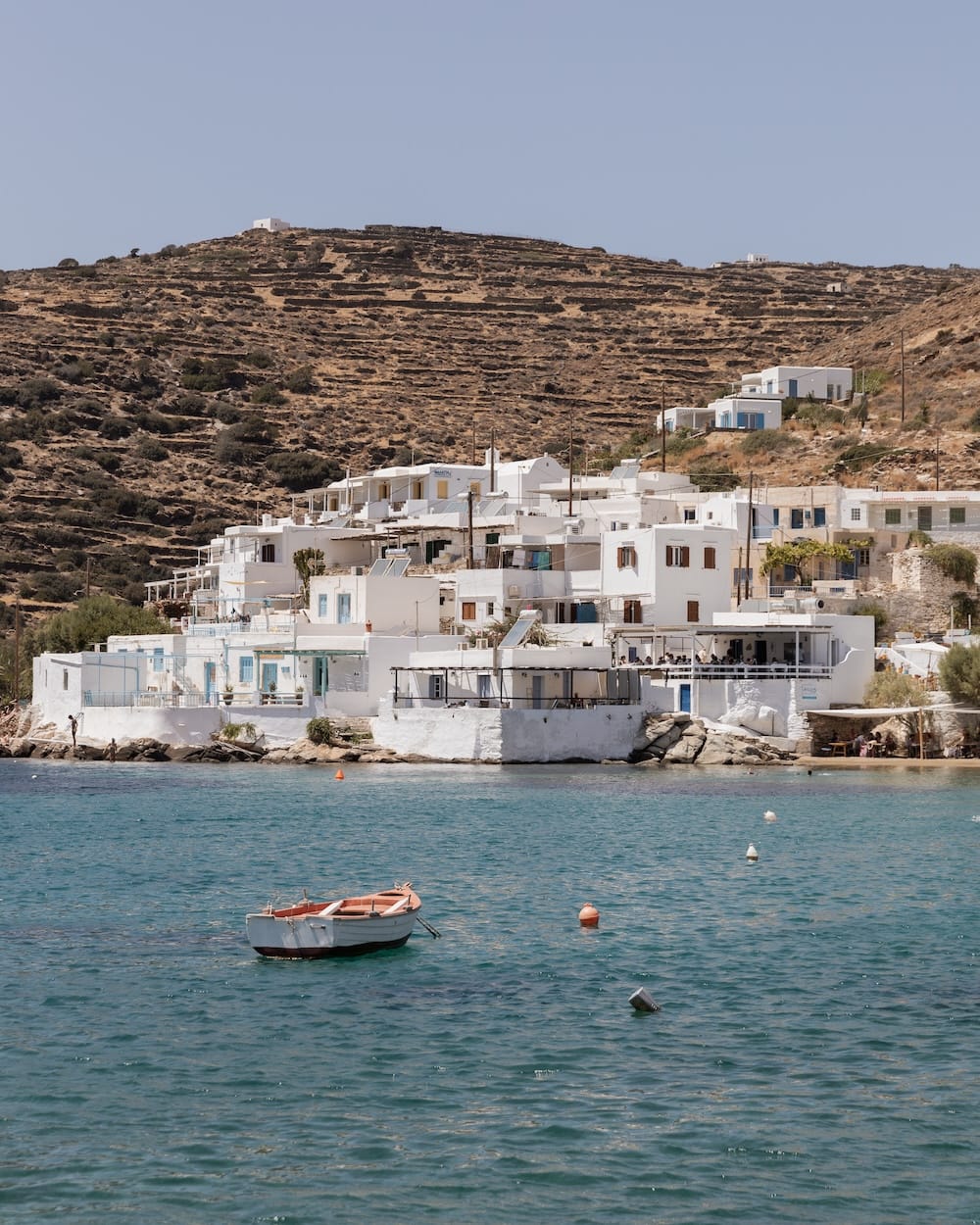
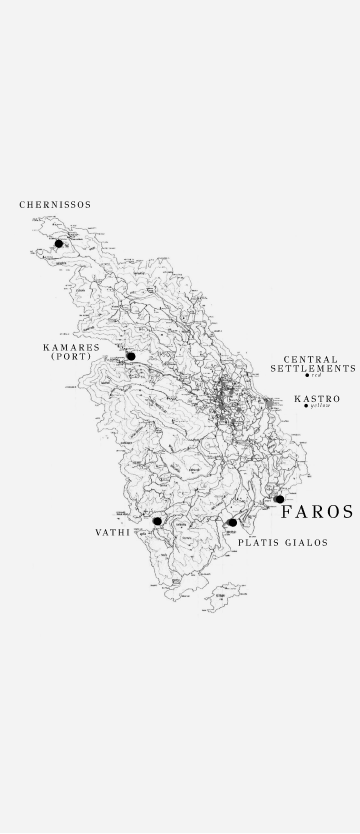
A working fishing village on the southern coast of the island, Faros is the location of the Sifnos Project. Nested within a wind-sheltered bay, its humble boat houses provided inspiration for our ‘Back to Basics concept’, while its deep-rooted sense of place and nostalgic simplicity continue to evoke the classic Greek summer.
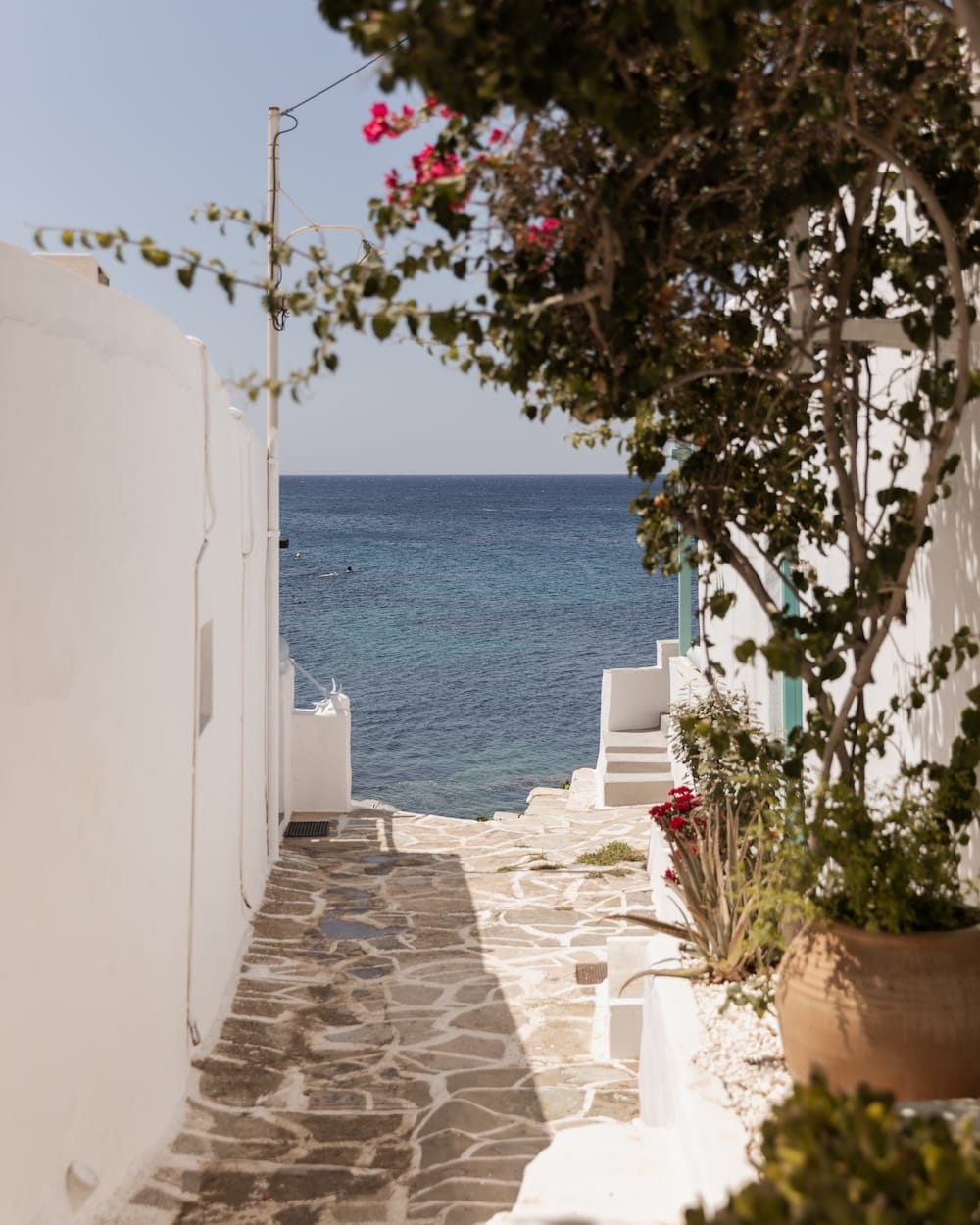
Positioned directly on the waterfront, Faros’ narrow, winding streets are pedestrian-only, with parking situated just outside the village. It has a small harbor with safe boat access and an anchorage, and an underground water supply under Glyfo. There are several tavernas, four sandy beaches within walking distance, and it is connected to the island’s other key settlements via the Chrisopigi-Apollonia hiking path.
With most of the island’s density located inland, the Sifnos Project presents a chance to breathe life back into one of the coastal settlements that used to define the island.
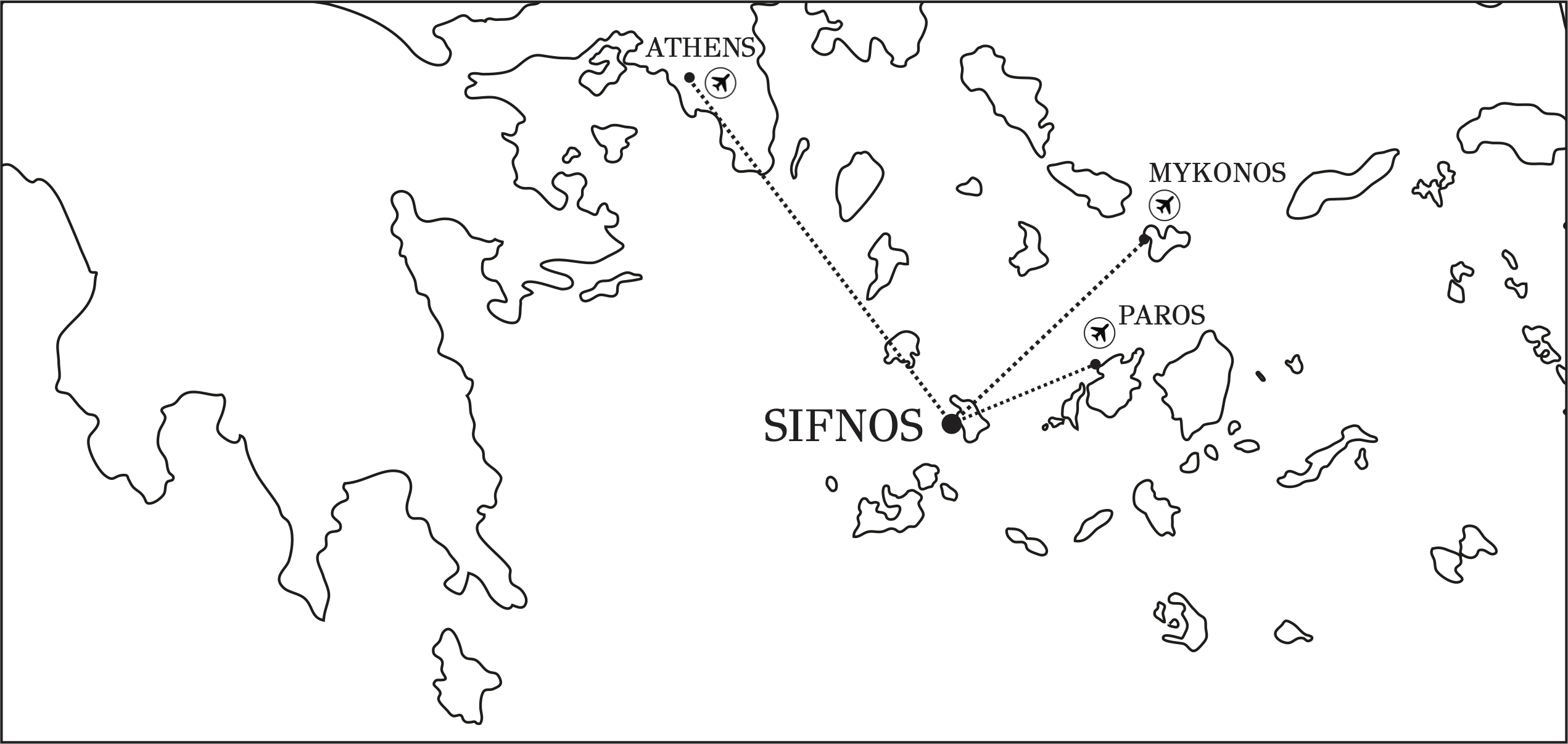
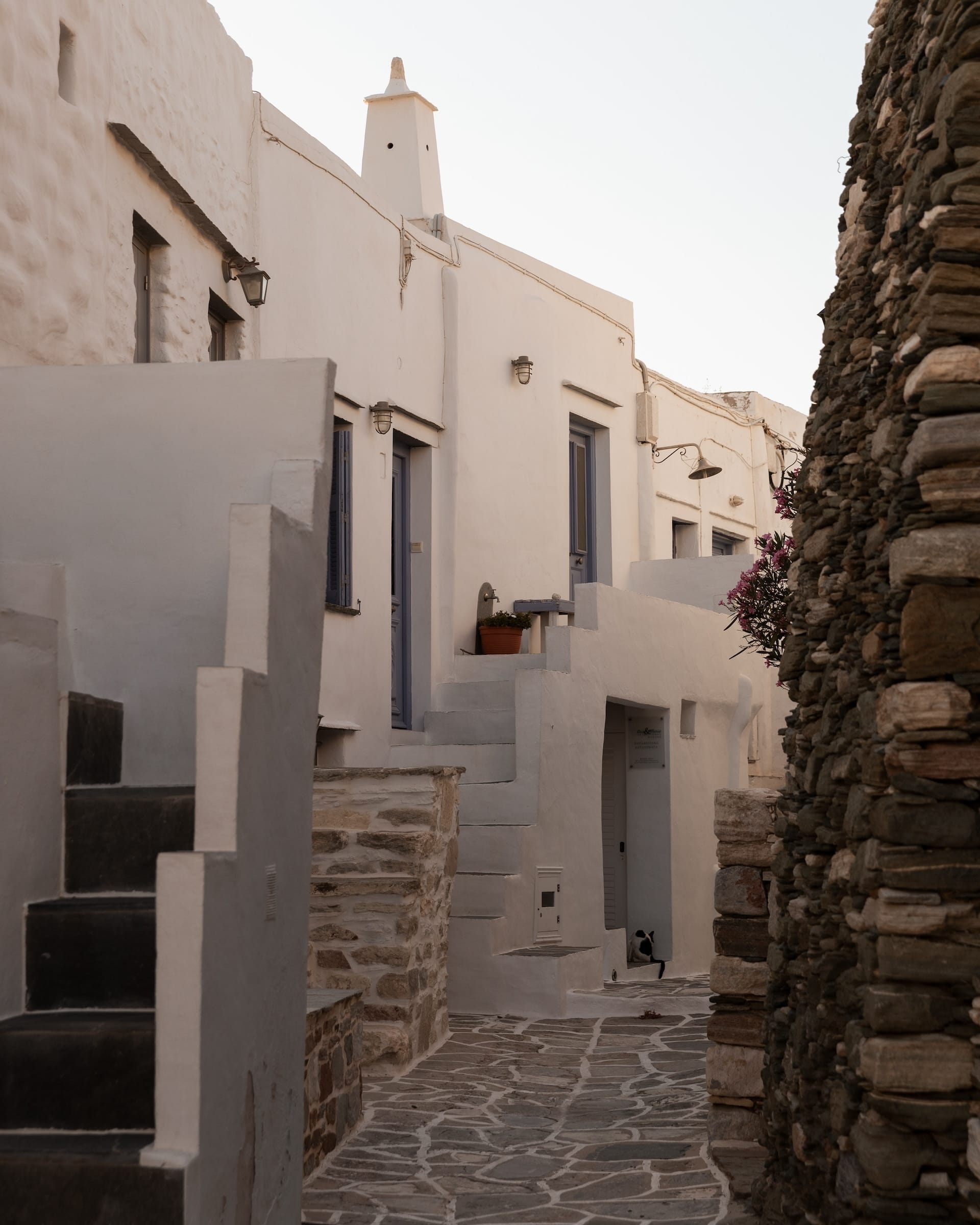
Sifnos is located in the center of the Cycladic Archipelago. Its distinguished architectural tradition stretches back to ancient times, owing to the wealth of its gold and silver mines; while its rich cultural identity remains shaped to this day by its synonymity to craftsmanship, ceramics and cuisine.
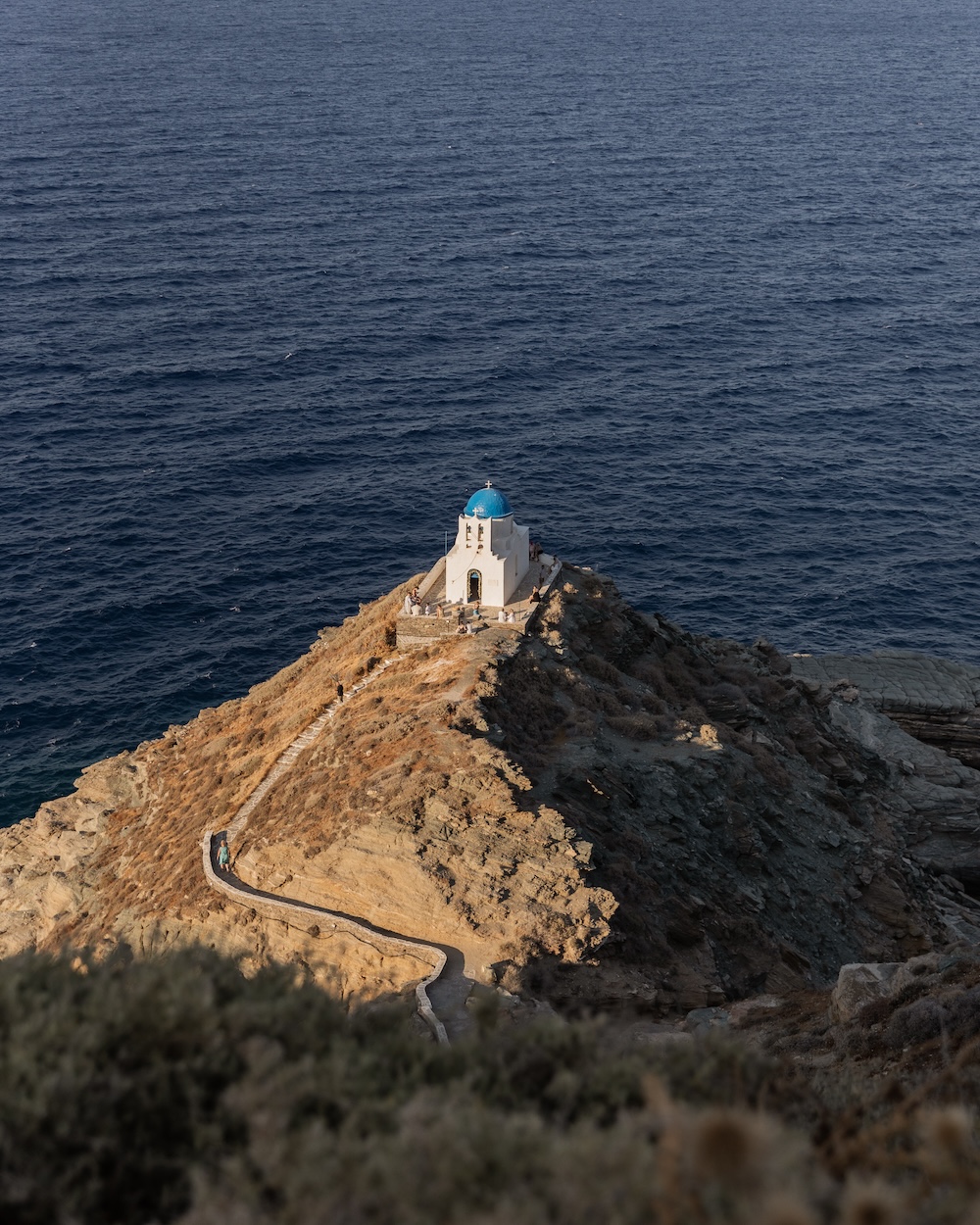
Its archetypal Cycladic landscape is characterized by xerolithies, olive groves and agricultural land, as well as centuries-old chapels, dovecotes and stone towers. From the island’s steep hillsides, there are commanding views of the Aegean.
Renowned for the elegance of its interior villages, Apollonia and Artemonas, and the ancient capital, Kastro, on its eastern coast, Sifnos has an abundance of still thriving pottery studios, and a flourishing gastronomic scene that marries traditional with contemporary.
Family-friendly
With little need for a car during the summer months, families can live independently with children enjoying a rare island freedom. The Sifnos Project is surrounded by three sandy beaches — Faros, Glyfo, Fassoulou — and residents can easily walk to a fourth, Apokofto, near Chrisopigi.
Boating
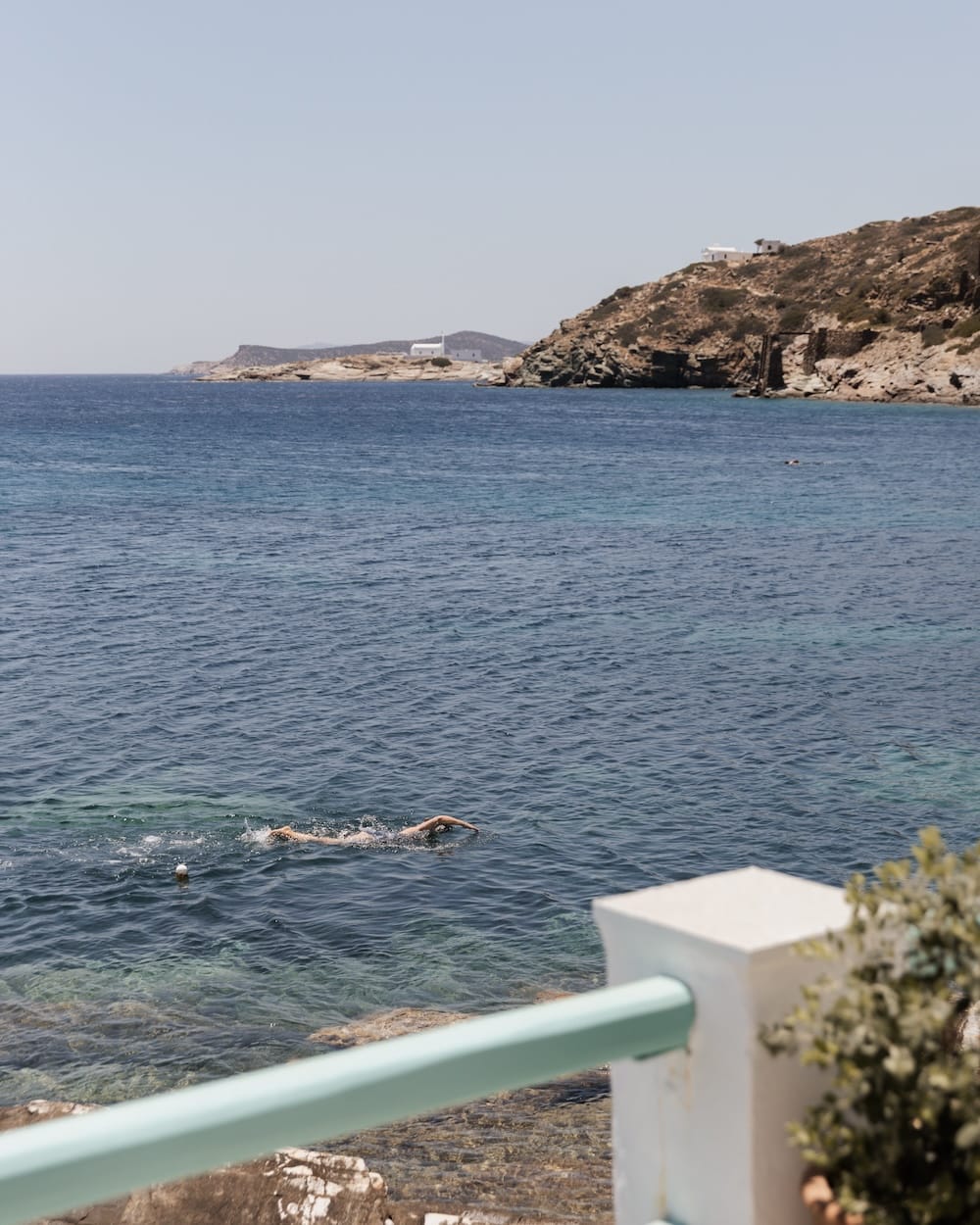
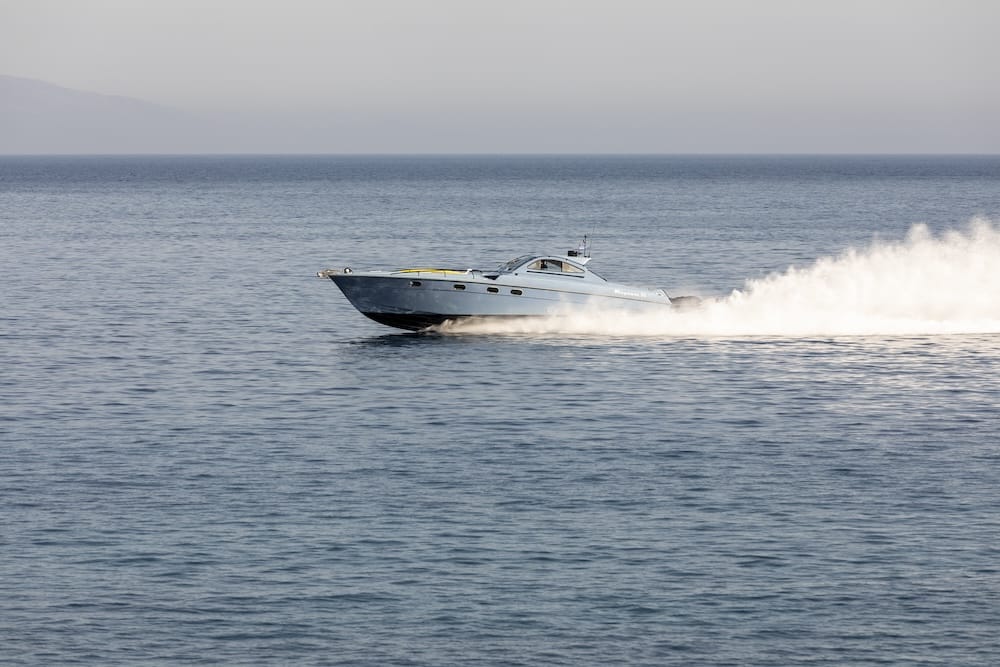
Its safe anchorage and small harbor allows residents to keep a boat in Faros itself. In addition to excursions around Sifnos — such as to Kastro, Poulati and Cheronissos— a number of nearby Cycladic islands can be reached easily for lunch and a swim. The times quoted below are based on a RIB boat.
Strogili: 20 minutes
Despotiko: 30 minutes
Kimolos: approx. 30 minutes
Antiparos: 40 minutes
Paros: approx. 50 minutes
Milos: approx. 50 minutes
Hiking
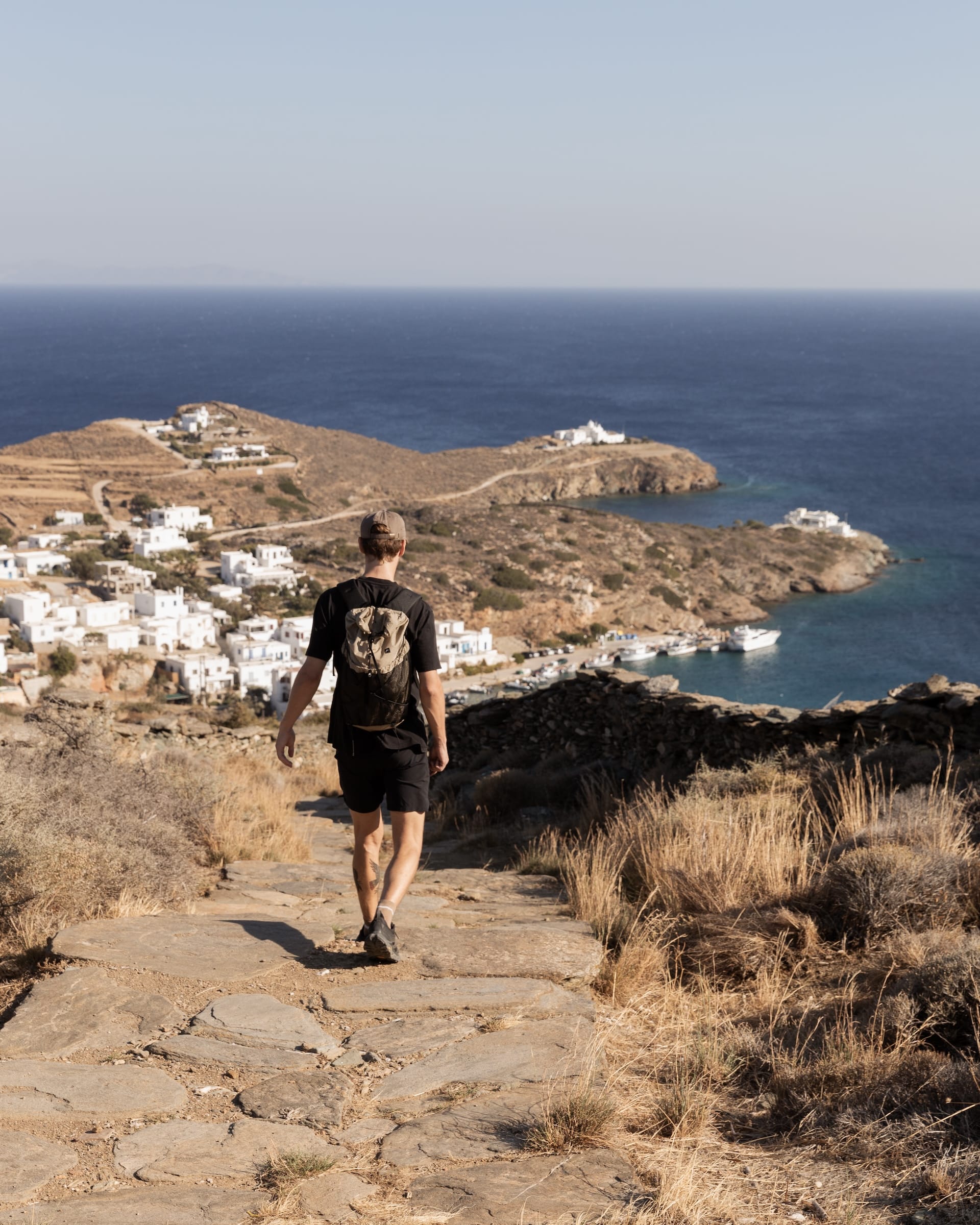
With its well-preserved paths —the oldest of which date back to 3000 BC — Sifnos is a hiker’s paradise. Directly from Faros, residents can hike to: Chrisopigi monastery and its nearby tavernas; up to the village of Apollonia; along the coast to Kastro; and ultimately to the port of Kamares on the western coast of the island. In total, there are 200 km of hiking paths across Sifnos.
For more info on hiking on Sifnos, visit sifnostrails.com
A compelling culinary scene
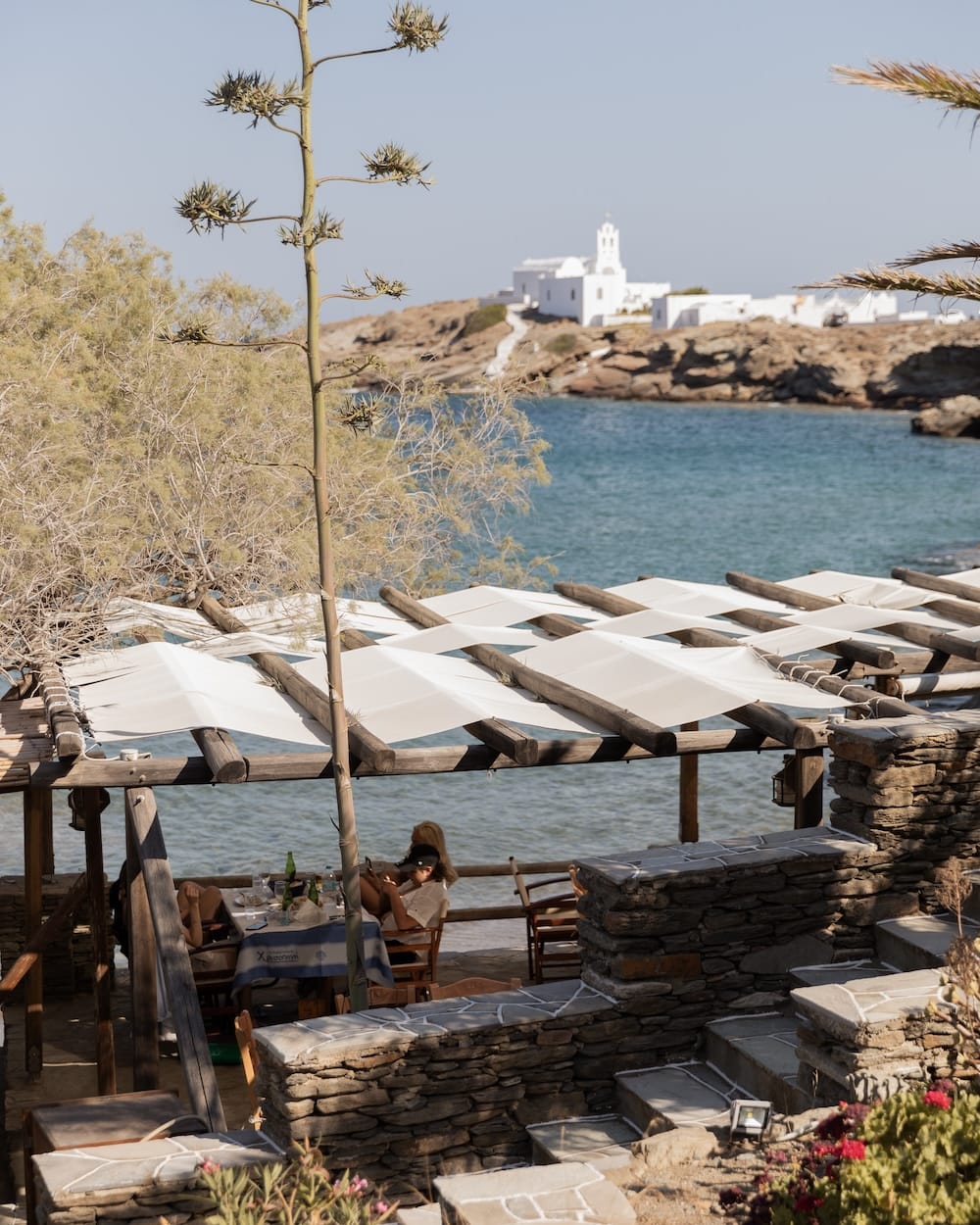
Sifnos is known as a gourmet island and the cradle of Greek cooking. In Faros itself, residents can enjoy from traditional fish tavernas such as To Limanki, on the harbourside, as well as the contemporary hotspots of Pelicanos and Betty’s Bakery. On the way to Chrisopigi monastery, they will find two tavernas on Apokofto beach; and just beyond at Platis Gialos, Omega 3 and To Steki. In the other direction, residents can walk to Kastro, where natural wine bar Loggia tumbles down the hillside and Cantina is located in a beautiful setting just nearby.
Elegant villages
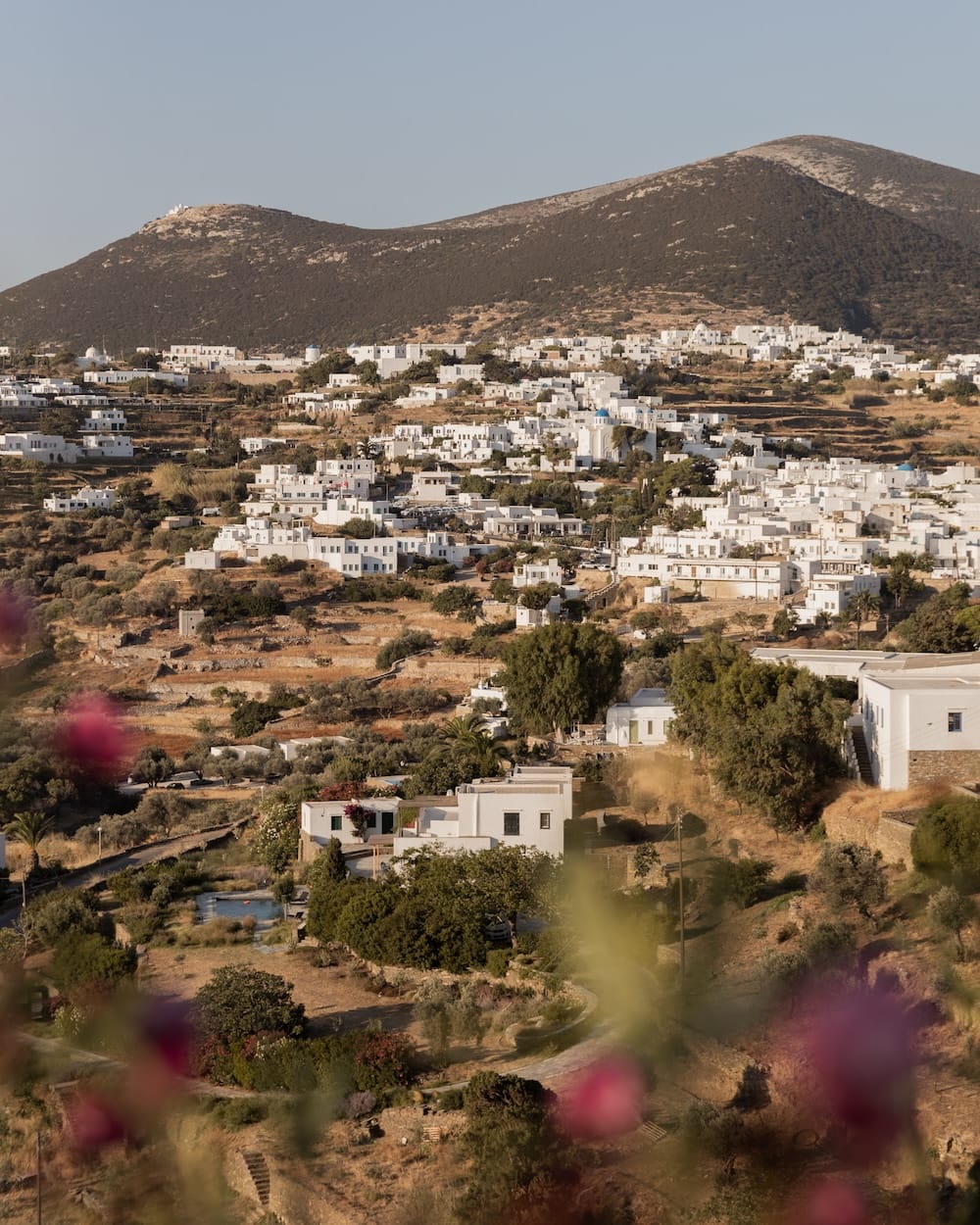
Apollonia (7km) sits in the center of the island, and has been the island’s capital since 1836. Built amphitheatrically across three hills, its whitewashed streets pulsate with life from morning until night. Just north of Apollonia is Artemonas (10km), where Venetian mansions mingle with traditional bakeries, ouzeri and ceramics studios.
The ancient capital, Kastro (10km), can be reached easily on foot or by boat. Its medieval Venetian architecture creates a hilltop fortress-like formation, and includes inside it the ruins of an ancient acropolis, Byzantine churches, marble mansions and public buildings — with panoramic views of the Aegean.
Pottery Studios
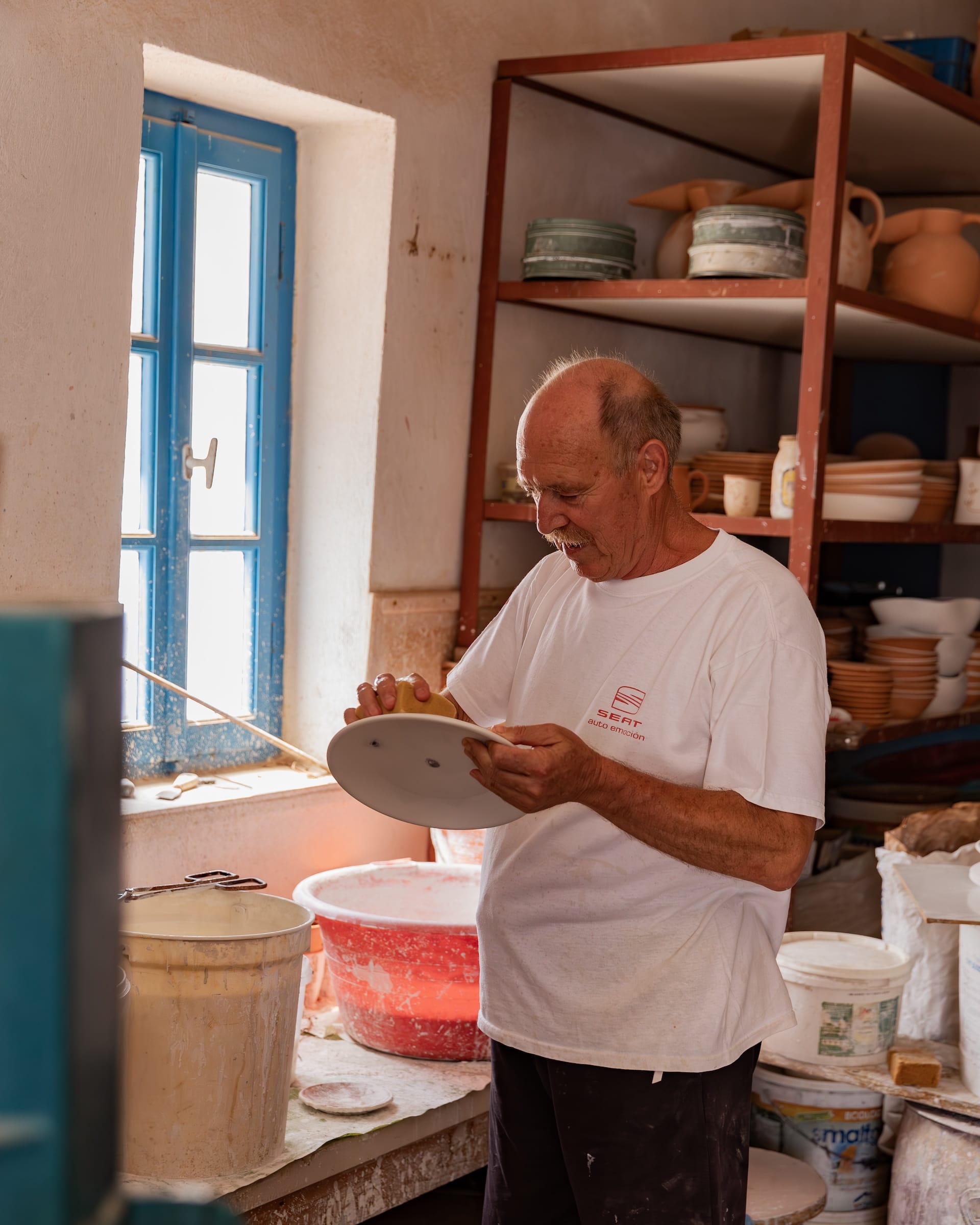
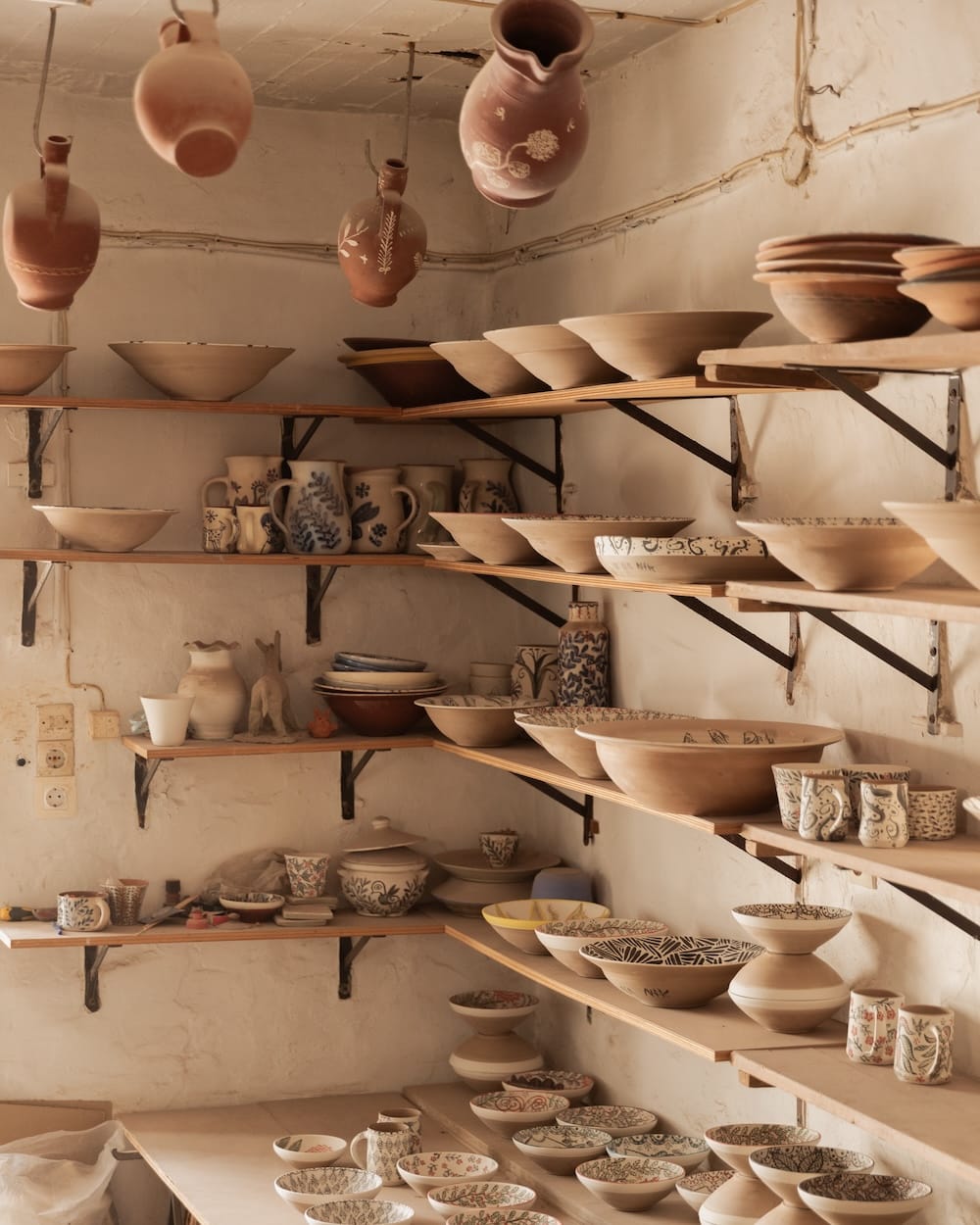
Sifnos’ pottery tradition can be traced to the early Cycladic period. Its natural abundance of fireclay, access to rainwater and a mild climate created the ideal conditions for this craft, which has been passed down from generation to generation. The island is still known for the ceramic earthenware dishes in which traditional dishes — such as revithada (a baked chickpea stew), and mastelo (slow roasted lamb) — are cooked. Although many of the island’s potters have moved away since the peak of production, there are still 20 active studios. You can visit many of these to buy ceramics.
A working fishing village on the southern coast of the island, Faros is the location of the Sifnos Project. Nested within a wind-sheltered bay, its humble boat houses provided inspiration for our ‘Back to Basics concept’, while its deep-rooted sense of place and nostalgic simplicity continue to evoke the classic Greek summer.
Positioned directly on the waterfront, Faros’ narrow, winding streets are pedestrian-only, with parking situated just outside the village. It has a small harbor with safe boat access and an anchorage, and an underground water supply under Glyfo. There are several tavernas, four sandy beaches within walking distance, and it is connected to the island’s other key settlements via the Chrisopigi-Apollonia hiking path.
With most of the island’s density located inland, the Sifnos Project presents a chance to breathe life back into one of the coastal settlements that used to define the island.
Sifnos is located in the center of the Cycladic Archipelago. Its distinguished architectural tradition stretches back to ancient times, owing to the wealth of its gold and silver mines; while its rich cultural identity remains shaped to this day by its synonymity to craftsmanship, ceramics and cuisine.
Its archetypal Cycladic landscape is characterized by xerolithies, olive groves and agricultural land, as well as centuries-old chapels, dovecotes and stone towers. From the island’s steep hillsides, there are commanding views of the Aegean.
Renowned for the elegance of its interior villages, Apollonia and Artemonas, and the ancient capital, Kastro, on its eastern coast, Sifnos has an abundance of still thriving pottery studios, and a flourishing gastronomic scene that marries traditional with contemporary.
Family-friendly
With little need for a car during the summer months, families can live independently with children enjoying a rare island freedom. The Sifnos Project is surrounded by three sandy beaches — Faros, Glyfo, Fassoulou — and residents can easily walk to a fourth, Apokofto, near Chrisopigi.
Boating
Its safe anchorage and small harbor allows residents to keep a boat in Faros itself. In addition to excursions around Sifnos — such as to Kastro, Poulati and Cheronissos— a number of nearby Cycladic islands can be reached easily for lunch and a swim. The times quoted below are based on a RIB boat.
Strogili: 20 minutes
Despotiko: 30 minutes
Kimolos: approx. 30 minutes
Antiparos: 40 minutes
Paros: approx. 50 minutes
Milos: approx. 50 minutes
Hiking
With its well-preserved paths —the oldest of which date back to 3000 BC — Sifnos is a hiker’s paradise. Directly from Faros, residents can hike to: Chrisopigi monastery and its nearby tavernas; up to the village of Apollonia; along the coast to Kastro; and ultimately to the port of Kamares on the western coast of the island. In total, there are 200 km of hiking paths across Sifnos.
For more info on hiking on Sifnos, visit sifnostrails.com
A compelling culinary scene
Sifnos is known as a gourmet island and the cradle of Greek cooking. In Faros itself, residents can enjoy from traditional fish tavernas such as To Limanki, on the harbourside, as well as the contemporary hotspots of Pelicanos and Betty’s Bakery. On the way to Chrisopigi monastery, they will find two tavernas on Apokofto beach; and just beyond at Platis Gialos, Omega 3 and To Steki. In the other direction, residents can walk to Kastro, where natural wine bar Loggia tumbles down the hillside and Cantina is located in a beautiful setting just nearby.
Elegant villages
Apollonia (7km) sits in the center of the island, and has been the island’s capital since 1836. Built amphitheatrically across three hills, its whitewashed streets pulsate with life from morning until night. Just north of Apollonia is Artemonas (10km), where Venetian mansions mingle with traditional bakeries, ouzeri and ceramics studios.
The ancient capital, Kastro (10km), can be reached easily on foot or by boat. Its medieval Venetian architecture creates a hilltop fortress-like formation, and includes inside it the ruins of an ancient acropolis, Byzantine churches, marble mansions and public buildings — with panoramic views of the Aegean.
Pottery Studios
Sifnos’ pottery tradition can be traced to the early Cycladic period. Its natural abundance of fireclay, access to rainwater and a mild climate created the ideal conditions for this craft, which has been passed down from generation to generation. The island is still known for the ceramic earthenware dishes in which traditional dishes — such as revithada (a baked chickpea stew), and mastelo (slow roasted lamb) — are cooked. Although many of the island’s potters have moved away since the peak of production, there are still 20 active studios. You can visit many of these to buy ceramics.
Antonis Atsonios, Ceramics Atsonios, Vathy, Sifnos

